The Hidden Frontlines: Foreign Fighters, Espionage and the Digital Battlefield Beyond Ukraine
Believers, Killers & Runaways (Part 1)

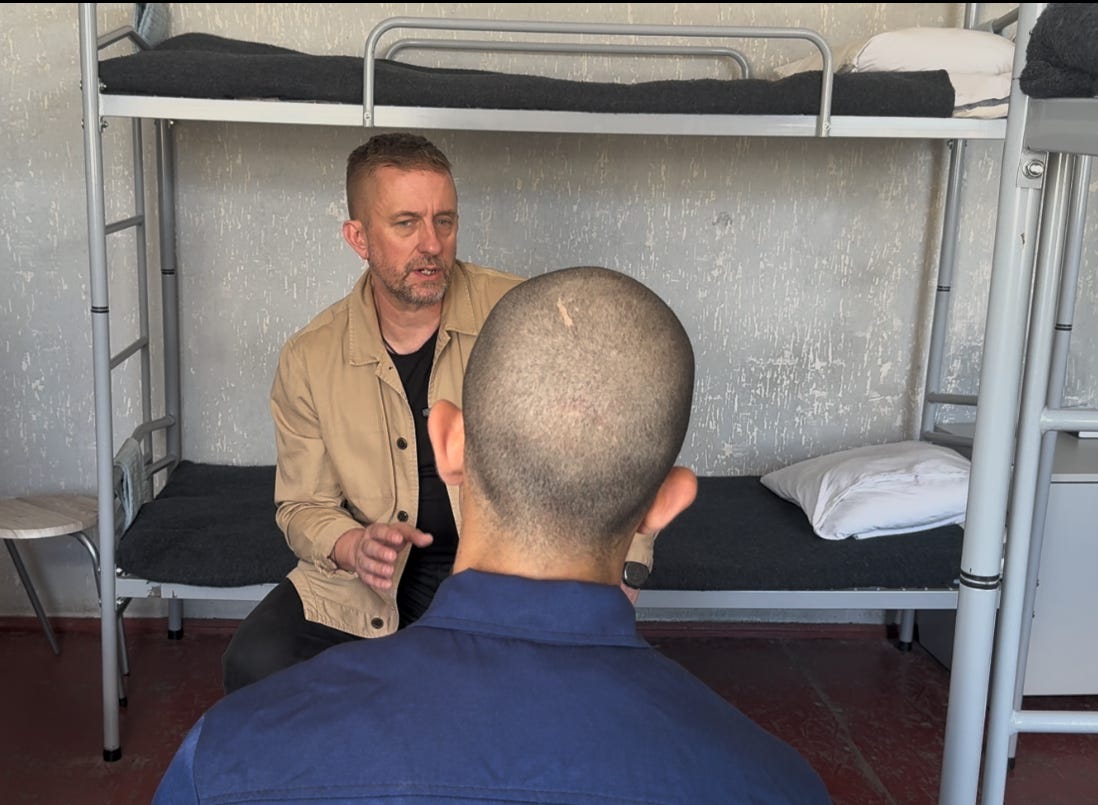
When we think of war, we often picture distant battlefields, trenches, drone strikes and convoys under fire, but the reality today is far more complex. From volunteer fighters crossing continents to Russian saboteurs hiding in plain sight in London suburbs, the war in Ukraine has become a global fight — a world war, whether we choose to accept that or not.
It’s no longer fought only between armies, but between networks, ideologies and digital shadows.
My recent podcast Believers, Killers & Runaways and my documentary Captured shine a light on this new terrain of conflict. In this article, I dig a little deeper: who fights in other countries’ wars, how recruitment and intelligence operate beyond borders, and how the front line is now far closer than most imagine, already entrenched in countries like the United States.
Why Foreigners Fight
Many come to Ukraine in search of a better life, the same can be said of many Russian soldiers, who import far more foreign fighters than Ukraine ever has. I dislike the term foreign fighter, but when referring to soldiers not born in either Russia or Ukraine, it best describes those who arrived after February 2022 specifically to fight in this war.
Travelling abroad to fight in someone else’s conflict isn’t a normal life decision. It’s usually driven by financial desperation, poor life choices or the lure of adventure. For some, war offers a sense of purpose, structure and direction missing from civilian life, but I’ll cover that in more detail later.
I learned early on that you need a filter for these people. Many arrive believing Ukraine or Russia will change their fortunes but often hide deep personal issues or unstable motivations. I divided these volunteers into three types: Believers, Killers and Runaways.
Believers fight for what they see as a righteous cause.
Killers thrive on violence and purpose — often unable to function in ordinary life, war gives them focus and identity.
Runaways see war as escape or adventure, but usually bring drink or drug problems, criminal records or arrest warrants — and they’re the ones I reject instantly.
The reasons people come are many: ideology, broken homes, the search for meaning, thrill-seeking or solidarity. Social media amplifies it all. Telegram channels, Facebook groups and encrypted chats have replaced recruiters’ offices, offering a gateway to the front with almost no vetting — open to virtually anyone.
When Russia’s full-scale invasion began, moral outrage became manpower. Ukraine’s foreign legion swelled overnight, but there’s a darker side. When amateurs or thrill-seekers turn up chasing adrenaline or social-media clout, the fog of war becomes deadly for these self-styled “spaceship-door gunners” and “underwater knife-fighting instructors.” Once here, they’re incredibly hard to get rid of and they endanger others.
What’s deeply frustrating is how many who came to assist Ukraine failed to integrate, learn the culture or even attempt the language. They arrived with Western expectations. While I spent years climbing every greasy pole of Ukrainian bureaucracy — chasing signatures and the ever elusive silver stamp— others simply blew up, if you’ll pardon the pun. Nobody likes admitting failure, so many took a few close friends with them and quietly went home. They later re-emerged on television in their home countries, speaking negatively about Ukraine and their “experience of fighting” when many hadn’t made it past boot camp or east of Kyiv.
My documentary Captured goes behind the scenes to show what happens when volunteers arrive — and what happens to those fighting for Russia, if they’re lucky enough to survive. Some overstay visas or work illegally, but most eventually vanish into the front. One of the most chilling discoveries was how Russian forces intern foreign volunteers — even Russians — coercing them with a simple choice: serve, or we’ll send you back. “Back” could mean prison or deportation.
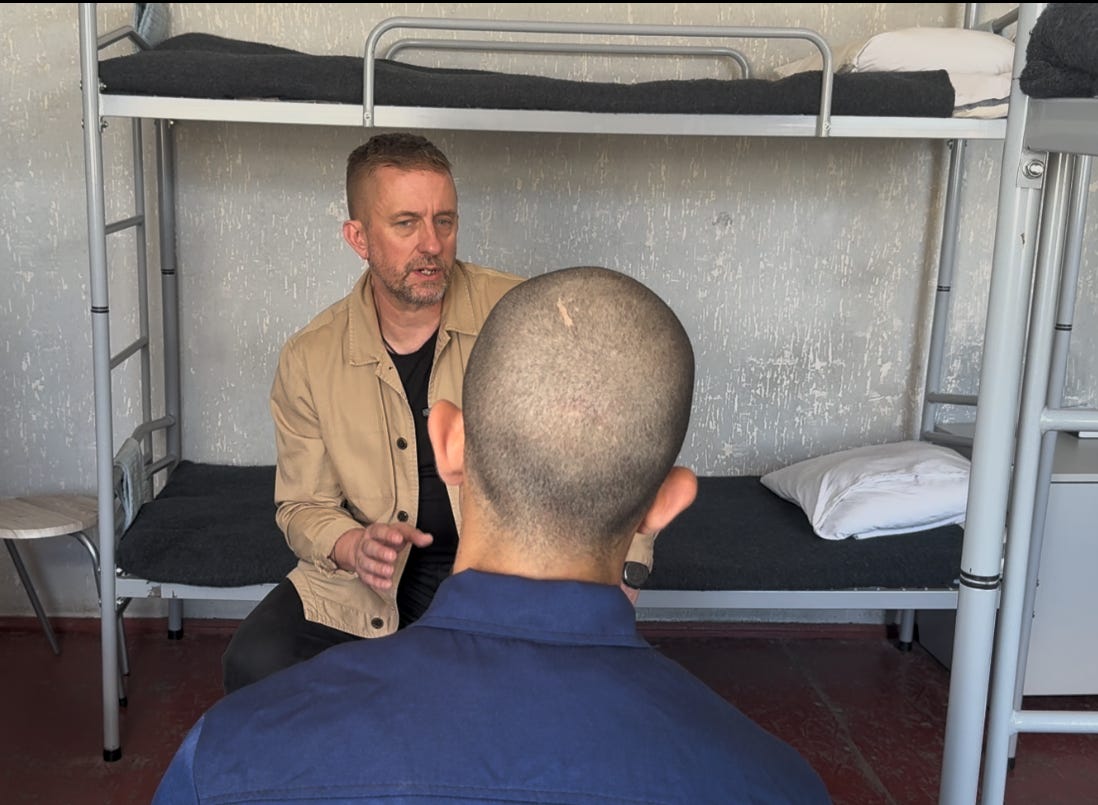
Many we interviewed were recruited directly from Russian prisons, including one Wagner inmate. They spoke of “imports” — foreign fighters now left in Ukrainian POW camps, forgotten by their states and manipulated by Moscow. Their promise of riches, now becoming a mirage.
The global volunteer phenomenon must now be seen as dangerous, an unregulated battlefield filled with legal grey zones and intelligence risks, especially when these individuals return home. I’m one of the rare few who married a Ukrainian, lived, worked and had legal status here long before the full-scale invasion. I even learned Russian first because of my geographical location, Mariupol, my home city, but we are a handful of people really.
Ukraine has improved its vetting of candidates, but Russia is far harder to assess. Many of its recruits come from countries with weak healthcare systems, where diseases such as HIV and hepatitis C are widespread. Some Russian units have deployed soldiers known to carry these conditions. For Ukrainian POW-camp staff, medical and psychological screening has become twofold: assessing mental state and identifying infectious diseases — a growing concern since the arrival of foreign guns-for-hire.
What I Found
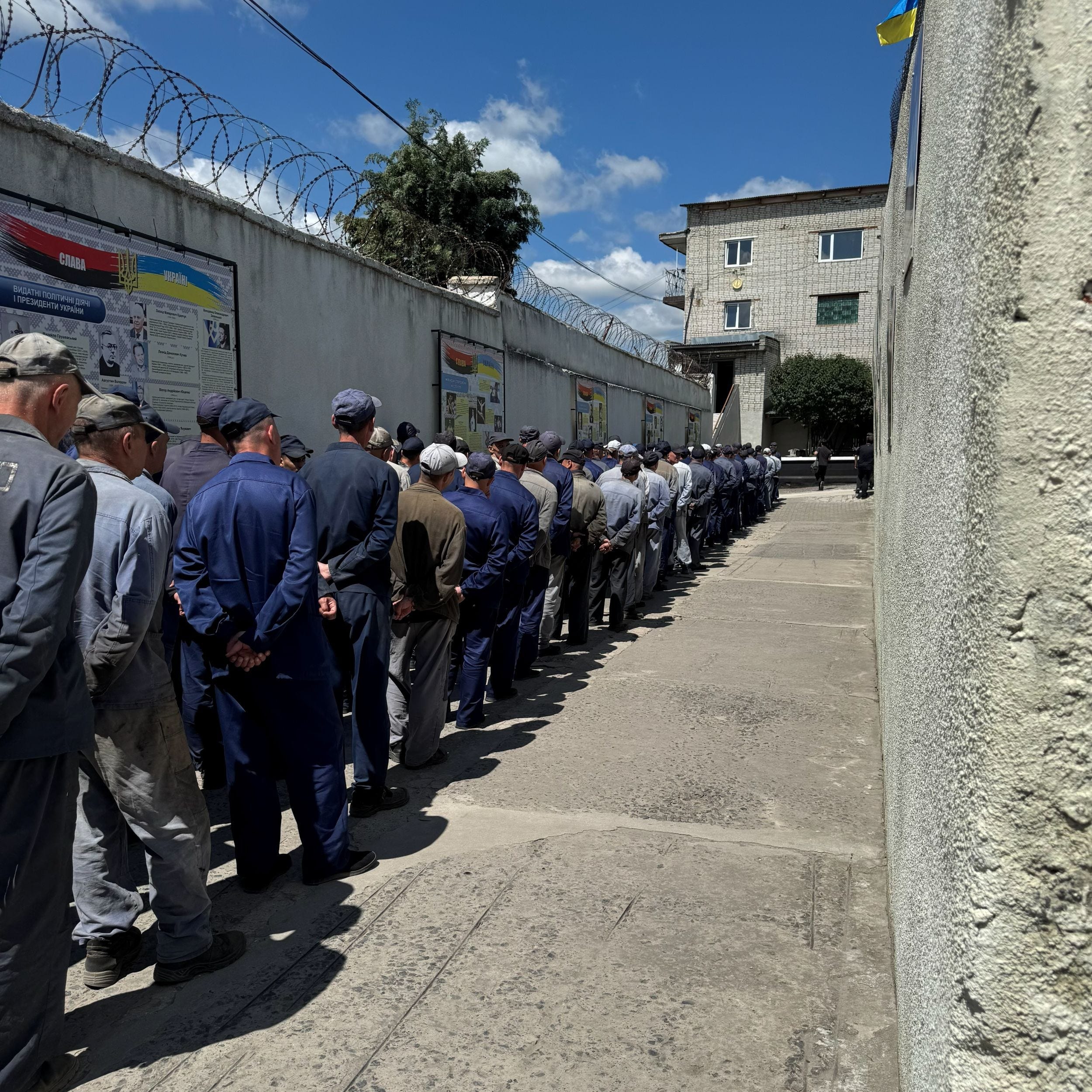
I was granted access to a detention site in western Ukraine where captured Russian soldiers were held — among them, foreign fighters who had joined Russia’s ranks. Many weren’t Russian-born at all. They had been flown in and signed up specifically to fight in Ukraine.
We interviewed detainees who admitted that Moscow had recruited Africans, Central Asians and others from the Middle East. One man said he had worked as a translator for the recruiters; another, from Brazil, had flown to Russia from Australia. Some were lured with promises of Russian citizenship; others were coerced into service.
On the Ukrainian side, I’d already seen the diversity of international volunteers long before the full-scale invasion. Arriving in 2018, I served alongside fighters from Europe, North and South America, the Balkans — even a South Korean Marine. Most were driven by belief or brotherhood, a few by training, and very few by any understanding of what real combat meant.
One of the most unsettling findings was how the logistical chain of foreign fighters doesn’t end at the battlefield. Some are captured — as I was — others can’t adapt and are left behind, while some become propaganda material for both sides.
War has become globalised at the micro-level. A man from Wiltshire can end up fighting in Donetsk. A university student in Sydney might find himself in Kherson. States can barely monitor these flows, and when they fail, these fighters can become liabilities once they return home.
In Russian POW camps, there’s even a linguistic distinction between Ukrainians and foreign-born fighters. Those not born in Ukraine are branded “наёмник” (naemnik, or mercenary) — a label used to delegitimize them for domestic audiences. This classification directly violates the Geneva Conventions when applied to lawful combatants serving in a recognised state military — as I was.
The use of electrocution and systemic torture remains common practice in Russia, often recorded and circulated on social-media channels for propaganda. These camps also hold civilians, dual nationals and ex-Soviet citizens who once lived or fought in Ukraine but were trapped by Moscow’s machinery, even Russians who refused to fight. The moral is simple: the battlefield isn’t confined to trenches; it extends deep into the shadows behind them, and also into Russia itself.
Spies and Saboteurs & Next Door
Now the battlefield is coming home.
In October 2025, Ukrainian prosecutors announced that a British national, a former military instructor, had been arrested in Kyiv and accused of spying for Russia. He allegedly posed as an instructor working with Ukrainian forces but offered his services to the FSB, agreeing to supply intelligence in exchange for money. He was also accused of plotting terrorist acts.
Jordan Chadwick, a 31-year-old former Scots Guardsman found bound and tortured in a body of water near Bakhmut in 2023, and Daniel Burke, a 36-year-old former paratrooper discovered shot multiple times in Zaporizhzhia, were ruled by UK coroners to have been unlawfully killed while serving in Ukraine — grim reminders that even volunteers fighting for the right cause are not immune to betrayal and violence within the chaos of war, and by their own. Not killed by Russia or Ukrainians, but allegedly by other foreign volunteers. I had never heard of any such incident prior to 2022.
Just a month earlier, UK counter-terrorism police arrested three men in central and west London under the National Security Act, suspected of assisting a foreign intelligence service — Russia.
These aren’t isolated incidents. The UK government has sanctioned 18 members of Russia’s GRU for cyber-reconnaissance, sabotage and assassinations across Europe.
What does that tell us? The war in Ukraine isn’t just fought in the Donbas. It’s in our suburbs, our Telegram groups, our encrypted chats. Sabotage, intelligence-gathering and propaganda now bleed into everyday life, and platforms like X allow Kremlin-controlled media to operate openly. Rumble continues to host RT content, the very outlet involved in the torture of Ukrainian POWs, including myself.
Imagine this: a man in West London, working in IT, regularly posts in pro-Russia Telegram channels. A blogger in Germany glorifies Russian aggression until, one day, he’s exposed as an asset. Tempted by ideology or money, such people can leak UK Army movements for example, training schedules or even target an armoured-vehicle repair facility in Kent lets say. Similar events have already happened, it’s not fiction and happens frequently in Ukraine and Russia.
What once belonged in Cold-War thrillers has become a genuine counter-intelligence concern. They no longer operate in the dark; they live among us — online and offline — in plain sight.
It’s not just traditional espionage. Recruiting saboteurs or agents has never been easier. The internet allows foreign intelligence services to target people in niche communities — disillusioned veterans, drone hobbyists, radical tech enthusiasts and isolated men searching for purpose. Some are manipulated through grievances, addiction, debt or blackmail, and many may not even realise they’re working for Wagner or the FSB, having been tapped up by local intermediaries.
They don’t need to cross borders anymore; they can message you directly from another continent.
They live, work and post beside us.